If you want more breathing room without leaving Johnson County, Gardner often ends up on the shortlist. Many buyers start looking here because they want a bigger yard, a less compressed feel, and a home that may sit at a lower value point than much of the county. If that sounds like your goal, Gardner is worth a closer look. Let’s dive in.
Why Gardner draws space-focused buyers
Gardner sits in southwest Johnson County along Interstate 35, about 30 miles from downtown Kansas City according to the city. That location gives you a clear suburban setting with highway access, which is a big part of the appeal for buyers who want room to spread out without feeling disconnected from the metro.
The city has also been growing. Census QuickFacts estimate Gardner’s 2024 population at 25,836, up 10.7% from the 2020 census base. With 11.66 square miles of land and a 2020 population density of 1,996.8 people per square mile, Gardner reads as a growing outer-ring suburb rather than a tightly packed core area.
That matters when your wish list includes a larger lot, more practical outdoor space, or a neighborhood with a little more elbow room. Gardner is not rural, but it often fits buyers who want a calmer suburban pattern than they find in more built-out parts of Johnson County.
What “space” can mean in Gardner
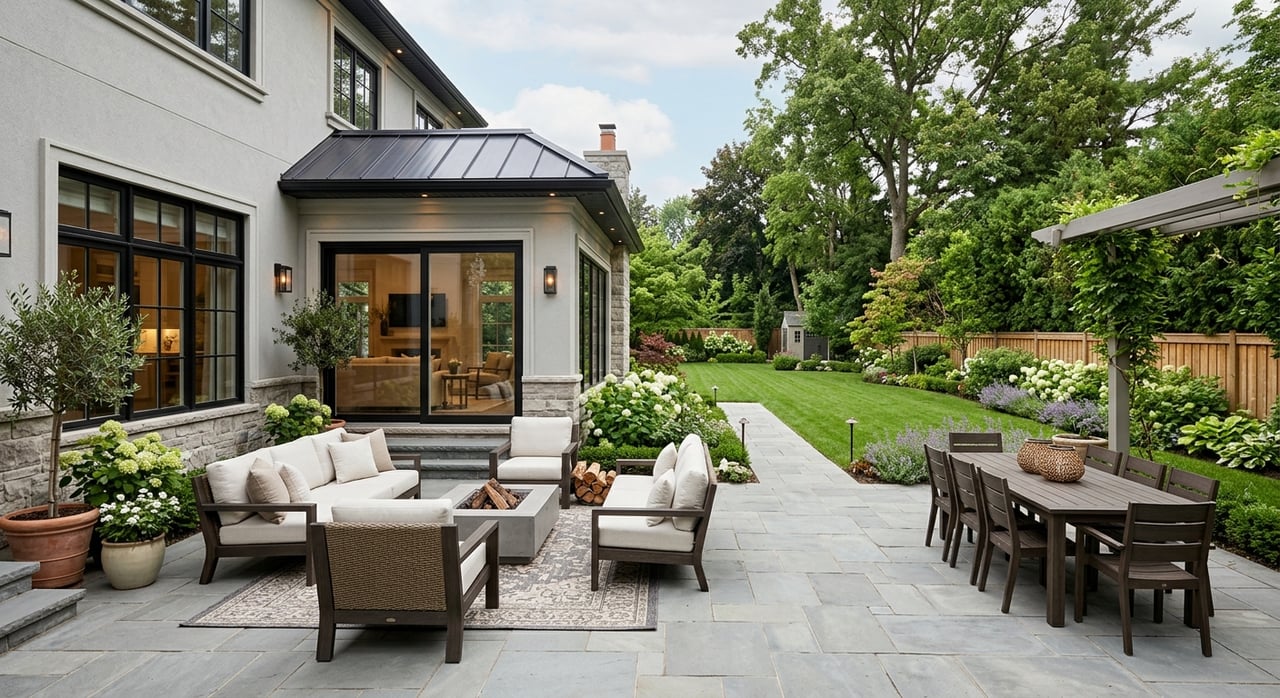
Space means different things to different buyers. For some, it means an extra bedroom or office. For others, it means a backyard for pets, gardening, or weekend gatherings.
In Gardner, the broader housing context supports that search. The safest way to describe the market is that it is primarily a detached single-family suburb, with some attached or mixed-product options in select newer developments. That gives you a range of possibilities, but the city’s overall profile still leans toward the kind of suburban housing many buyers picture when they say they want more room.
The city also requires permits for new home construction and many residential improvements, which reflects ongoing residential activity. In practical terms, Gardner is not a place where the housing story is already finished. It is an active market with continued oversight of new construction and home updates.
Growth supports future inventory
If you are looking beyond today’s listings, Gardner’s long-range planning is part of the story. The city has completed planning around the I-35 and 175th Street interchange to guide future land use, utilities, and street layout.
For buyers, that signals continued edge growth. It does not guarantee what any one neighborhood or future phase will look like, but it does support the idea that Gardner is still evolving. That can be appealing if you want to shop in an area with ongoing development rather than a suburb that is almost fully built out.
Yard appeal goes beyond lot size
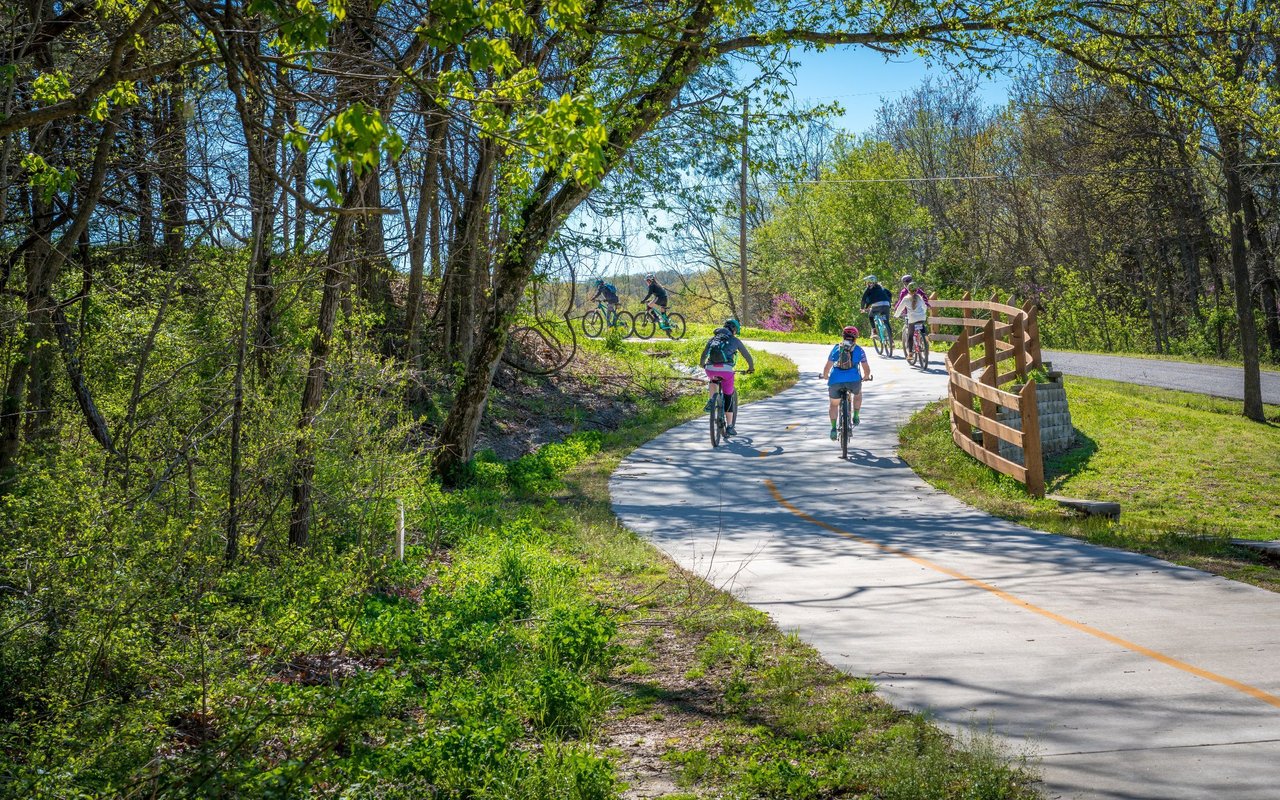
A bigger yard is great, but daily livability matters too. Gardner offers a parks and recreation system that includes Celebration Park, Cornerstone Park, Gardner Lake Park, Gardner Golf Course, the Gardner Greenway Corridor, and the Gardner Aquatic Center.
That mix adds options for how you use your time close to home. Whether you like walking trails, outdoor recreation, golf, or seasonal family activities, Gardner offers more than just houses on larger lots. The city’s parks and recreation department says it provides more than 100 ways to stay active across seasons.
The Gardner Aquatic Center is one of the standout amenities for many buyers. It includes zero-depth entry, a lazy river, multiple water slides, spray grounds, and a tot pool. If you are comparing suburbs based on how well they support an active routine, this is part of Gardner’s everyday appeal.
Everyday convenience in Gardner
Beyond parks, buyers often want to know whether a place feels functional for real life. Gardner Library, a Johnson County Library branch, offers meeting rooms, study rooms, Wi-Fi, a drive-up book drop, and regular programming.
Those kinds of amenities may not be the first thing you search for, but they shape how a city feels after move-in day. A library branch, recreation options, and community facilities all help turn a house search into a longer-term lifestyle decision.
For school-related planning, Gardner Edgerton USD 231 serves Gardner and Edgerton with about 6,200 students, seven elementary schools, three middle schools, one high school, an Advanced Technical Center, and a district activity complex. If schools are part of your search, it can help to understand the district’s size and structure as you compare areas.
Gardner’s value position in Johnson County
For many buyers, Gardner’s biggest draw is not just space. It is the combination of space and value. Census QuickFacts list the median value of owner-occupied housing units in Gardner at $276,000 for 2019 through 2023.
That compares with $366,000 for Johnson County and $203,400 for Kansas. The key takeaway is that Gardner typically sits below the county’s typical home-value level while remaining above the statewide median. For buyers trying to stay in Johnson County, that can make Gardner an important market to consider.
It is worth keeping the numbers in context. A broader Heartland MLS March 2026 update reported a median sales price of $325,000 and an average sales price of $388,431 across the market area, but those are sales metrics and not a direct match to Census owner-occupied value estimates. The cleaner conclusion is that Gardner often appeals to buyers looking for a lower value position than much of Johnson County, not buyers looking for a one-size-fits-all price point.
What you may trade for that value
No suburb is all upside, and Gardner is no exception. In many cases, the tradeoff for more space and a lower county-level value position is drive time.
Gardner’s commute pattern is largely highway-based. The city highlights I-35 access and notes that I-35 and Gardner Road interchange improvements were completed in 2021. There is also RideKC route 596 connecting Gardner and Edgerton riders to jobs near New Century Parkway and Logistics Park KC, but Gardner still functions primarily as a driving-first suburb.
Census QuickFacts report a mean travel time to work of 23.3 minutes for Gardner workers in 2019 through 2023. That places Gardner well for buyers who see commuting as a manageable trade for a more spacious suburban setup, but it is still wise to test your likely routes during the times you would actually drive them.
Who Gardner may fit best
Gardner often makes sense for buyers who are balancing multiple priorities at once. You may want more square footage, a usable yard, and a neighborhood that feels less dense, but still want to stay connected to Johnson County and the wider Kansas City area.
It can also be a smart place to look if you are in an early planning stage. Because Gardner includes both established residential areas and continued growth, you may find a broader mix of options than you expected, especially if you are open to comparing resale homes with newer development patterns.
If your move involves selling one home and buying another, that planning matters even more. Timing, pricing, repairs, and financing strategy all work together, especially when you are trying to upgrade your space without adding unnecessary stress.
How to shop Gardner wisely
If Gardner is on your radar, a focused plan can help you compare it clearly with other Johnson County options. Start with the basics that matter most to your daily life, then narrow from there.
Here are a few smart questions to ask as you search:
- How much yard do you actually want to maintain?
- Is your priority lot size, interior space, or both?
- What commute time feels realistic for your schedule?
- Do you want an established area, a newer development, or a mix of both?
- Which nearby amenities matter most for your routine?
It also helps to compare Gardner by lifestyle, not just by price. A home with a larger yard may look great on paper, but your decision will be stronger if you also weigh access, neighborhood pattern, recreation options, and how the home fits your next few years.
Why local guidance matters
A city like Gardner can look simple at first glance, but the right home search still comes down to timing, preparation, and local context. Some buyers need lender guidance and a step-by-step roadmap. Others need a coordinated plan to sell first, buy next, and avoid feeling rushed.
That is where calm, practical guidance makes a difference. When you understand how Gardner fits into the broader Kansas City metro, it becomes easier to decide whether it gives you the right mix of space, yard, and value for your move.
If you are weighing Gardner against other Johnson County suburbs, or trying to map out a move months in advance, Andrea Plowman can help you build a clear plan and take the next step with confidence.
FAQs
Is Gardner, Kansas a good option for more space in Johnson County?
- Gardner is often appealing for buyers who want a more spacious suburban setting, with a lower density feel than the metro core and a housing profile that leans primarily toward detached single-family homes.
How does Gardner, Kansas compare on home value?
- Census QuickFacts show a median owner-occupied home value of $276,000 in Gardner for 2019 through 2023, compared with $366,000 in Johnson County, which supports Gardner’s reputation as a lower-value-position option within the county.
What is the commute like from Gardner, Kansas?
- Gardner is mainly a driving-first suburb with I-35 access, and Census QuickFacts report a mean travel time to work of 23.3 minutes for Gardner workers in 2019 through 2023.
What kinds of amenities are available in Gardner, Kansas?
- Gardner offers parks, trails, a golf course, an aquatic center, and a Johnson County Library branch, which adds everyday recreation and convenience beyond the housing search.
Are there newer homes and future growth areas in Gardner, Kansas?
- Yes. The city’s permit activity and long-range planning around the I-35 and 175th Street interchange support the idea that Gardner is an active, growing residential market rather than a fully built-out suburb.