If your days feel like a constant shuffle between work, errands, meals, and finding time to breathe, where you live can make a real difference. In Overland Park, many of the routines that matter most are supported by a practical mix of housing, parks, community spaces, and transportation options. If you are thinking about a move or simply trying to picture daily life here, this guide will help you understand how Overland Park fits the rhythm of family-focused living. Let’s dive in.
Why Overland Park Fits Daily Life
Overland Park is a large, established suburban city with an estimated 203,677 residents as of July 1, 2025. Census data also shows that 21.9% of residents are under 18, which helps explain why so many city features and everyday amenities support households balancing work, school-age children, and home life.
The city also has a 60.5% owner-occupied housing rate, a median owner-occupied home value of $413,600, and a median commute time of 19.7 minutes. Together, those numbers paint a picture of a community where homeownership, manageable routines, and suburban convenience all play a visible role in daily life.
Overland Park is also planning intentionally for the future. The city’s updated FrameworkOP comprehensive plan guides growth through 2045 with attention to housing, development, mobility options, and the environment, which matters if you want to live in a place that is thinking about how people actually use neighborhoods day to day.
Commutes and Errands in Overland Park
For many households, the quality of a city shows up in the small moments. It is the school drop-off before work, the grocery stop on the way home, the quick appointment across town, and the question of how much time you lose getting from one part of your day to the next.
Overland Park remains a driver-friendly city, with major corridors including I-35, I-435, U.S. 69, and U.S. 56. That road network supports the kind of predictable driving access many busy households rely on during the week.
At the same time, driving is not the only option. RideKC provides bus service in metropolitan Kansas City and around Johnson County and Overland Park, while Johnson County Transit offers RideKC Micro Transit, an on-demand shared ride service with weekday hours from 6 a.m. to 8 p.m.
That flexibility can be useful when every family member does not need the same schedule. The county’s Route 520 weekday express service connects Strang Line Park & Ride, Oak Park Mall, Downtown Kansas City, and Union Station, and Micro Transit includes Downtown Overland Park as well as destinations like Oak Park Mall and Prairiefire.
Active Routines Beyond the Car
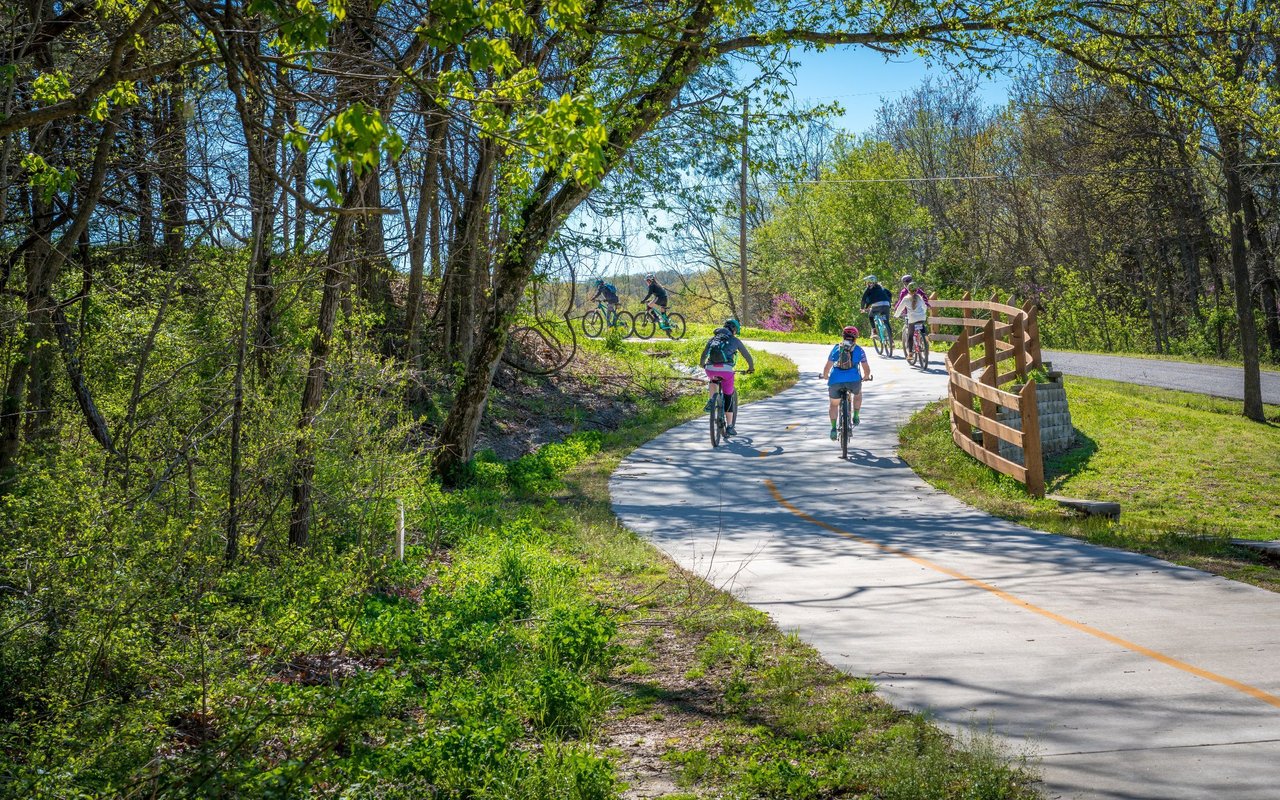
A family-friendly routine is not only about getting to work on time. It is also about whether your neighborhood supports stroller walks, bike rides, and short outdoor breaks that help reset the day.
Overland Park is investing in that kind of everyday movement. The city’s bicycle plan focuses on improving safety, access, and connectivity, and its Safe Streets Plan aims to reduce crashes and make streets safer for people who walk, bike, roll, ride, or drive.
That planning effort matters because it supports more than transportation. It supports the little routines that often become a favorite part of home life, like an after-dinner walk, a quick ride to a nearby trail, or a weekend outing that does not require a packed schedule.
Parks and Outdoor Time
When you picture family life in Overland Park, outdoor space is part of the story. The city highlights 83 parks and more than 10 miles of trails, giving you plenty of ways to add fresh air and movement to your week.
That can make a big difference when you want easy options close to home. Instead of treating recreation like a special event, many households can work it into normal routines, whether that means playground time, a Saturday trail walk, or a simple stop at a neighborhood park.
Several local destinations stand out for family use. Deanna Rose Children’s Farmstead includes more than 250 animals, playgrounds, a fishing pond, a one-room schoolhouse, Kanza history exhibits, camps, birthday rentals, and sensory-friendly early admission days.
The Overland Park Arboretum & Botanical Gardens adds another strong option, with 300 acres dedicated to educational, recreational, and cultural use. Downtown Overland Park Farmers Market, which has operated for 40 years, also serves as a regular gathering place for shoppers of all ages.
Indoor Options for Busy Weeks
Real life is not always sunny and flexible. Rainy weekends, hot afternoons, and packed work schedules all make indoor options important, especially when you want routines that can hold up year-round.
Matt Ross Community Center offers child watch, an Explorer Room for children ages 2 to 10, indoor pools, a gymnasium, family locker rooms, and free parking. Tomahawk Ridge Community Center also supports day-to-day wellness with fitness classes, gathering spaces, and workout access for adults and children.
Johnson County Library branches in Overland Park add another layer of practical support. Families can use storytimes, meeting and study rooms, computers, free Wi-Fi, Family Storytime, and early literacy resources as part of their regular weekly rhythm.
These kinds of spaces matter because they give you backup plans. They also create more ways to build consistent routines without feeling like every outing has to be expensive or complicated.
Neighborhood Patterns and Home Layouts
The feel of daily life often comes down to how a neighborhood and home function together. In Overland Park, that can vary depending on where you look, which is helpful if you want to match your home search to your routine.
FrameworkOP notes that many existing neighborhoods feature curving streets and cul-de-sacs, while newer planning recommendations encourage more traditional block patterns for better connectivity and access to nearby amenities. In simple terms, some areas may feel more tucked away, while others may feel easier to move through on foot or by bike.
That difference can shape your day more than you expect. A home that feels private and quiet may fit one household well, while another may prefer a setup that makes it easier to reach parks, neighborhood destinations, or nearby services.
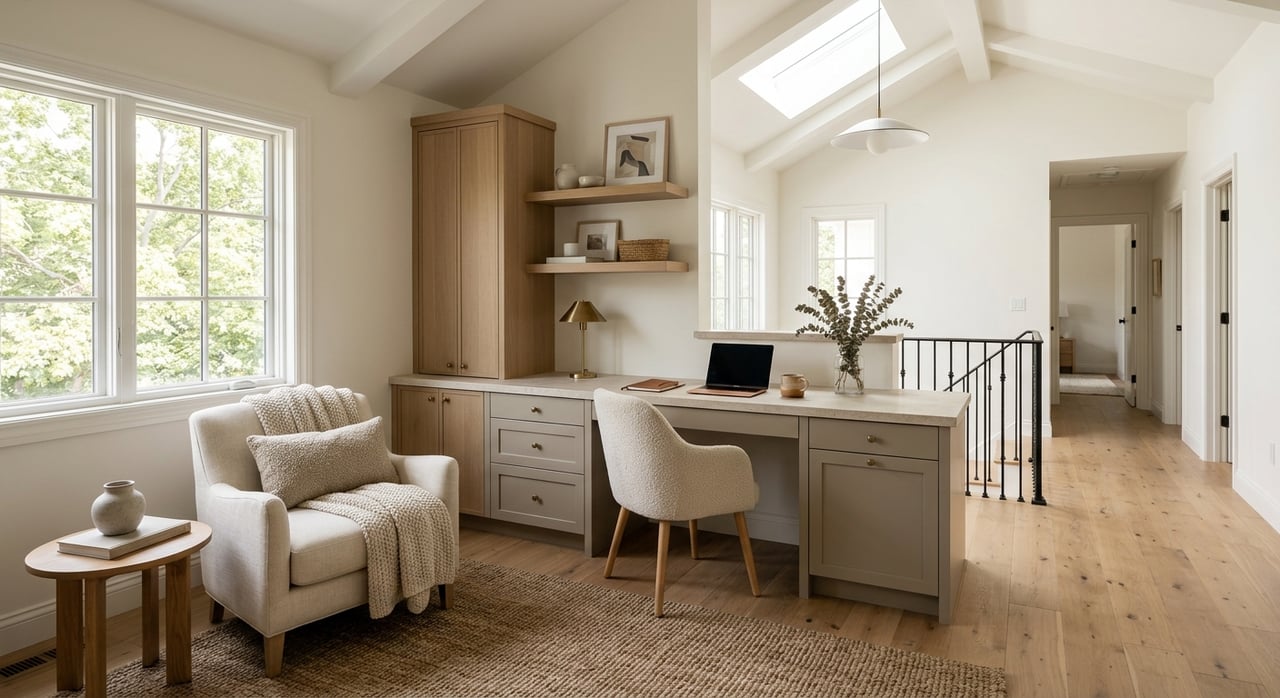
Housing variety also plays a role. Through the city’s Portfolio Homes pilot, Overland Park has highlighted examples such as cottage-style homes, small single-family homes, and duplexes, with sample plans including a 1,616-square-foot three-bedroom, two-bath home with a two-car garage and single carport, as well as a 1,224-square-foot two-bedroom, one-and-a-half-bath home with a side patio.
Those examples are helpful because they show there is not just one way to live well here. Some buyers may want room to grow, while others may want lower-maintenance living with practical space and a layout that keeps life simple.
Long-Term Livability Matters Too
Family-focused living is not only about today’s schedule. It is also about whether a city is maintaining neighborhoods in a way that supports comfort, safety, and longevity over time.
In Overland Park, residential street design is part of that picture. The city now requires concrete pavement for new residential and collector streets, and its neighborhood reconstruction program replaces pavement, driveways, sidewalks, and storm drains with concrete while also adding parkways and streetlights.
That may sound technical, but it connects to everyday quality of life. Durable streets, pedestrian access, and ongoing neighborhood improvements can all support a smoother experience for homeowners over the long run.
What This Means for Buyers and Sellers
If you are buying in Overland Park, it helps to think beyond square footage. The better question is often how a home will support your real routine, including commute patterns, outdoor time, indoor backup options, storage needs, and the way you want your weekdays to feel.
If you are selling, these same lifestyle features can help shape how your home is positioned. Buyers are often looking for more than finishes and updates. They are also thinking about how a property connects to parks, errands, mobility options, and the practical flow of daily life.
That is where local planning and clear strategy matter. When you understand what makes Overland Park function so well for many households, you can make more confident decisions whether you are preparing to move now or planning ahead.
If you want help thinking through your next move in Overland Park or anywhere in the Kansas City metro, Andrea Plowman offers calm, practical guidance for buyers and sellers who want a clear plan and steady support.
FAQs
What makes Overland Park practical for family-focused living?
- Overland Park combines owner-occupied neighborhoods, a median commute time of 19.7 minutes, parks, trails, community centers, libraries, and a mix of driving and transit options that support everyday routines.
What transportation options are available in Overland Park for daily routines?
- In addition to major roads like I-35, I-435, U.S. 69, and U.S. 56, Overland Park residents can use RideKC bus service, Route 520 commuter service, and RideKC Micro Transit on weekdays from 6 a.m. to 8 p.m.
What parks and attractions support family routines in Overland Park?
- Local options include 83 parks, more than 10 miles of trails, Deanna Rose Children’s Farmstead, the Overland Park Arboretum & Botanical Gardens, and the Downtown Overland Park Farmers Market.
What indoor places can families use in Overland Park year-round?
- Matt Ross Community Center, Tomahawk Ridge Community Center, and Johnson County Library branches in Overland Park offer indoor recreation, programming, study space, child-focused activities, and other practical resources.
What types of homes support busy routines in Overland Park?
- Overland Park includes a range of neighborhood patterns and housing types, from more secluded areas with cul-de-sacs to better-connected layouts, plus options like single-family homes, cottage-style homes, and duplexes highlighted by the city’s planning efforts.