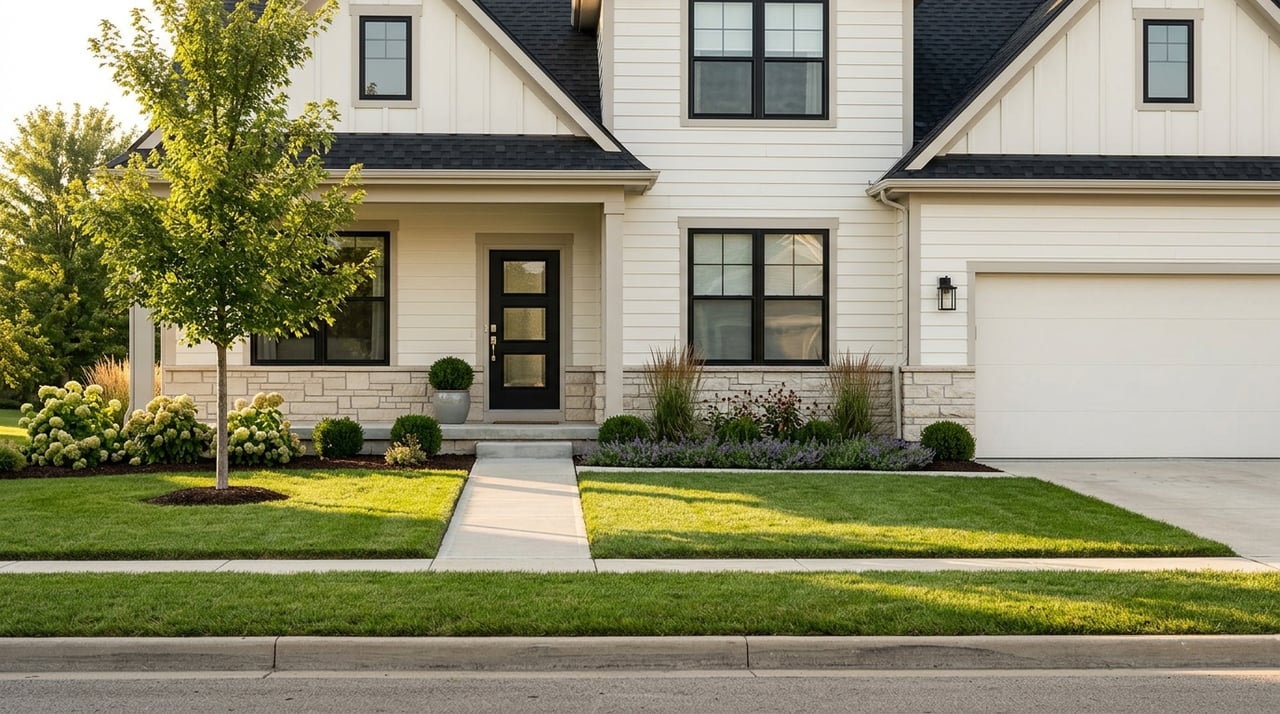
If you are thinking about selling in Gardner, timing matters, but preparation matters just as much. Even in a market where homes can move quickly, buyers still notice condition, cleanliness, and pricing right away. The good news is that you do not need to overhaul everything to make a strong impression. With the right plan, you can focus on the updates that matter most, avoid wasted effort, and head to market with more confidence. Let’s dive in.
Why prep still matters in Gardner
Gardner is a competitive market, with recent reports showing median sale prices in the mid-$300,000s, homes selling in days to a few weeks on average, and many listings drawing multiple offers. That kind of pace can make it tempting to list quickly and hope the market does the work for you.
But fast-moving markets do not erase buyer expectations. When homes are priced closely and buyers are comparing options quickly, presentation, visible condition, and a smooth showing experience can help your home stand out.
Start with the right sale strategy
Before you spend money on repairs or cosmetic updates, it helps to step back and create a plan. A good sale strategy starts with understanding your home’s current condition, how it compares to similar Gardner listings, and which items are worth addressing before you list.
This is where a thoughtful, local review can save you time and money. Instead of guessing, you can sort projects into three buckets: fix now, clean up and leave as-is, or price and disclose appropriately.
Fix major issues before cosmetic extras
Johnson County’s appraiser notes that fair market value is based on sales data and considers a property’s general condition, dimensions, structural damage, and major changes such as additions or decks. The office also notes that general maintenance problems usually do not affect value the same way major structural issues can.
That means your first priority should be major defects and visible condition issues, not expensive custom upgrades. If your home has structural concerns, a worn roof, or another larger problem, those items deserve attention before you spend heavily on decorative changes.
According to 2025 remodeling research, sellers are often best served by smaller, visible projects. Painting and roofing were among the most commonly recommended pre-sale improvements, and a new steel front door showed strong cost recovery in the study.
Focus on updates buyers notice
You do not need a full renovation to improve how your home shows. In many cases, practical upgrades make a stronger impact than highly personalized projects.
Focus on improvements like these:
- Fresh, neutral paint
- Clean or updated flooring where wear is obvious
- Repaired caulking and minor trim issues
- A tidy, inviting front entry
- Clean windows and screens for better light
- Simple exterior touch-ups that make the home feel cared for
These projects can help buyers feel the home has been maintained. They also support cleaner listing photos and stronger first impressions during showings.
Declutter before you decorate
One of the most effective things you can do before listing is remove excess belongings. Buyers need room to picture how they would use the space, and clutter can make rooms feel smaller, darker, and harder to read.
A practical starting point is to pack away seasonal items, extra furniture, overflow toys, and anything you do not need day to day. This step also gives you a head start on your eventual move, which can reduce stress once your home goes under contract.
After decluttering, deep cleaning becomes much easier. Prioritize carpets, walls, baseboards, fixtures, windows, and high-touch surfaces so the home feels fresh and well kept.
Stage the rooms that matter most
Staging can make a real difference. In 2025 research, 83% of buyers’ agents said staging makes it easier for buyers to imagine living in a home, 29% said it led to a 1% to 10% increase in the dollar value offered, and 49% said it reduced time on market.
If you are not staging every room, start with the spaces that matter most. The same research identified the living room, primary bedroom, and kitchen as the most important rooms to stage.
That does not always mean renting a full house of furniture. Often, it means arranging what you already have more intentionally, removing extra pieces, simplifying decor, and making each room feel open, bright, and easy to understand.
Do not overlook curb appeal in Gardner
In Gardner, exterior presentation is especially important. The city’s code-enforcement page identifies tall grass and weeds, trash and debris, inoperable vehicles, land maintenance, and structure maintenance as common issues.
For sellers, that means yard cleanup is more than a nice extra. It is part of basic sale preparation. A mowed lawn, trimmed landscaping, swept walks, cleared debris, and a clutter-free exterior help your property look cared for from the start.
Pay special attention to:
- Grass and weed control
- Mulch and simple landscape refreshes
- Bush trimming
- Leaf and debris removal
- Gutter cleanup
- Porch and front door appearance
- Driveway and walkway cleanliness
Use a simple prep timeline
A smooth sale usually starts several weeks before your listing goes live. Breaking the work into phases can keep the process manageable and help you avoid rushed decisions.
Several weeks before listing
Start with a full review of the home’s condition. Consider a pre-sale inspection and gather repair estimates for larger items like an older roof or worn carpeting.
If you are planning improvements beyond cosmetic work, confirm any local requirements before work begins. This is especially important if your project involves additions or bigger property changes.
Two to three weeks before listing
Move into repair and decluttering mode. Address minor issues like sticky doors, torn screens, cracked caulking, and dripping faucets.
At the same time, begin packing away nonessential items and personal clutter. This is also the right window for painting, cleaning, and simple refresh work.
The final week before listing
Your goal now is consistency. Beds should be made, counters cleared, surfaces wiped down, and odors neutralized.
Bring in clean towels, secure pets, remove valuables and medications from view, and make sure the home is easy to show on short notice. Before buyers arrive, open blinds and turn on lights so the home feels bright and welcoming.
Organize disclosures early
A smooth sale is not only about appearance. Paperwork matters too, and Kansas sellers should handle disclosures carefully.
The Kansas Real Estate Commission notes that seller disclosure requirements are a legal question outside its regulatory role and recommends consulting an attorney. Kansas law does require radon notice language in residential sale contracts and requires sellers to disclose any known elevated radon concentrations. The state also requires disclosure and buyer acknowledgment for property subject to certain special assessments or improvement districts.
For newly built, previously unoccupied homes, Kansas also requires an energy-efficiency disclosure form. A practical rule is simple: if you know about a defect, document it early. If you are unsure, use an inspector or licensed contractor to help clarify the issue.
Kansas brokerage rules also say seller’s agents and transaction brokers must disclose known adverse material facts, but they do not have a duty to independently inspect or verify a seller’s statements. That makes early organization especially helpful.
Price and prep should work together
It is easy to think of pricing and home prep as separate decisions, but they work best together. The condition of your home helps shape how buyers respond to your list price, and your list price should reflect both your home’s strengths and any issues you choose not to correct.
That is one reason local guidance matters before you start writing checks. A repair that looks important to you may not move the needle much in buyer response, while a simple visible improvement could have a stronger payoff.
When to bring in a local agent
The best time to bring in an agent is usually before you begin the prep work. That early review can help you compare your home’s condition to active competition, decide which repairs are worth doing, and create a clear path to market.
For many sellers, the cleanest sequence looks like this:
- Inspect the home
- Triage repairs
- Declutter and pack
- Deep clean
- Stage key spaces
- Organize disclosures
- List with a clear pricing strategy
In a Gardner market where homes can move quickly, front-loaded preparation can help reduce avoidable back-and-forth once offers start coming in. It can also make the entire process feel calmer and more predictable.
If you are getting ready to sell and want a practical plan for repairs, pricing, and launch timing, Andrea Plowman can help you build a step-by-step strategy that fits your home and your timeline.
FAQs
What should you fix before selling a home in Gardner, KS?
- Start with major defects, visible condition issues, and practical repairs such as roofing concerns, fresh paint, minor hardware fixes, and exterior cleanup before spending on custom upgrades.
Does staging help sell a Gardner home faster?
- Yes. Research shows staging helps buyers picture themselves in the home and can reduce time on market, especially when you focus on the living room, primary bedroom, and kitchen.
How early should you prepare your Gardner home for sale?
- Ideally, start several weeks before listing so you have time for inspection, repair estimates, decluttering, cleaning, staging, and paperwork organization.
What outdoor items matter most when selling a home in Gardner, KS?
- Focus on mowing, weed control, trimming bushes, removing trash or debris, cleaning gutters, and making the front entry look neat and well maintained.
What disclosures should Kansas home sellers keep in mind?
- Kansas sellers should be prepared for radon-related notices and disclosures, possible disclosures tied to special assessments or improvement districts, and energy-efficiency disclosure requirements for newly built, previously unoccupied homes.
Why talk to an agent before making repairs to a Gardner house?
- An early agent review can help you decide what is worth fixing, what should be cleaned or staged, and what may be better handled through pricing and disclosure.