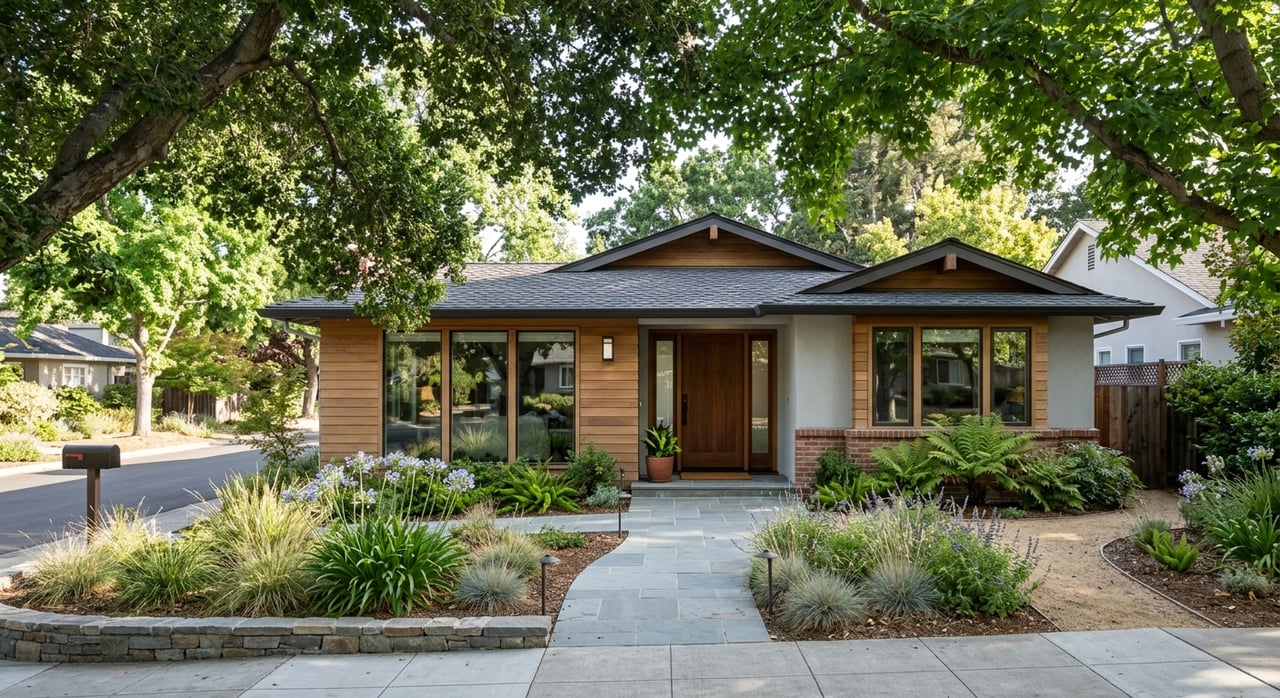
If you are thinking about moving to Prairie Village, you are probably trying to picture the actual day-to-day experience, not just the map. You want to know how the neighborhoods feel, what errands are like, where people spend time outdoors, and what kind of homes you will find. This guide will help you understand what it is like to live in Prairie Village and what stands out about this established Johnson County community. Let’s dive in.
Prairie Village has an established feel
Prairie Village is an older Kansas City suburb with a long neighborhood history that shapes how it feels today. According to the city’s community profile, the first neighborhoods date back to 1941, with an original framework that emphasized tree-lined streets, modestly scaled homes, understated garages, and civic spaces woven into neighborhood patterns.
That early planning still shows up in everyday life. Prairie Village has a settled, low-rise feel, and because it is a landlocked first-tier suburb, many daily routines center around local shopping areas, parks, and neighborhood gathering spots rather than large-scale new development.
Neighborhood layout shapes daily life
One of the most helpful things to know about Prairie Village is that the city’s housing pattern is not all the same. The city identifies several residential character zones, and those zones help explain why one part of Prairie Village may feel different from another.
Traditional neighborhoods north of 83rd Street
North of 83rd Street, Traditional Neighborhoods are primarily narrow-lot single-family areas. In practical terms, that can mean a more compact lot pattern and a neighborhood layout tied to the city’s earlier development history.
Suburban neighborhoods south of 83rd Street
South of 83rd Street, Suburban Neighborhoods are primarily large-lot single-family areas. If you are comparing sections of Prairie Village, this part of the city may offer a different sense of spacing because of the larger lot pattern.
Village neighborhoods and centers
Near commercial centers or major intersections, Village Neighborhoods allow a range of small- and moderate-scaled multi-unit buildings. Village Centers serve as the city’s primary commercial hubs, which means some areas naturally place you closer to shops, services, and everyday errands.
Homes are mostly detached and mid-century
If you love established housing stock, Prairie Village stands out. The city’s 2018 community profile reports that detached houses make up 95% of housing units, and most subdivisions were developed between 1940 and 1970.
The mix of home styles also helps define the local look. The same profile reports that 48% of homes are ranches, 36% are conventional homes, 12% are split-levels, 2% are condos, and 1% are raised ranches.
That means many buyers will see a strong mid-century influence in Prairie Village, especially in ranch and split-level homes. For sellers, it also means your home is often being compared against other established detached homes with similar neighborhood context.
Lot sizes vary by area
Lot layout is another important part of living in Prairie Village. Zoning rules reinforce the city’s housing pattern, with R-1A districts requiring a minimum lot size of 10,000 square feet and R-1B districts requiring a minimum of 6,000 square feet.
Most residential land is zoned R-1, and the city notes that the R-1B area is concentrated near the Prairie Village Shops. The city also requires new residential structures or major additions on R-1A and R-1B properties to follow neighborhood design guidelines intended to preserve existing streetscapes, building massing, and lot configurations.
For buyers, that can be helpful if you value neighborhood consistency. For homeowners considering a renovation or major addition, it is a reminder that the surrounding character matters in Prairie Village.
Errands tend to feel local and convenient
Prairie Village does not revolve around one traditional downtown core. Instead, its commercial life is spread across several neighborhood centers, which gives the city a practical, local rhythm.
The city’s strategic plan identifies six commercial centers:
- Corinth Square
- Meadowbrook Village Center
- Prairie Village Shopping Center
- Somerset Plaza
- Stateline Shopping Center
- Kenilworth Shops
This setup matters because daily life often revolves around short trips to familiar spots. Rather than relying on one central district for everything, you are more likely to use the shopping center or commercial area that fits your part of town and your routine.
The Prairie Village Shops area
The Shops of Prairie Village describe the center as a mix of comfort, convenience, and community. The area is known for personal service and a neighborhood-centered retail feel, which helps explain why it remains a recognizable part of the Prairie Village experience.
Corinth Square and nearby services
Corinth Square describes itself as a walkable open-air collection of more than 50 businesses. Its neighborhood guide highlights dining, shopping, banking, and self-care services within a few blocks, which supports a routine built around clustered everyday destinations.
The original shopping center still matters
The Prairie Village Shopping Center, built in 1948, is the oldest and largest of the city’s shopping centers. The city describes it as a neighborhood retail center with mostly independent retailers that provide basic goods and services, and notes that it is generally accessible to pedestrians from surrounding neighborhoods.
The city also notes that pedestrian amenities are mostly concentrated in the immediate retail area. So while some commercial areas may feel walkable once you arrive, the overall experience is still more neighborhood-serving than fully urban.
Parks are a big part of the lifestyle
Outdoor space is a major part of Prairie Village living. The city says it has more than a dozen parks, and many include reservable shelters, which supports both everyday recreation and community gatherings.
Park hours run from 7:00 a.m. to 11:00 p.m. That gives residents a wide window for morning walks, afternoon playtime, evening outings, and casual meetups.
Harmon Park is a major recreation hub
Harmon Park is one of the city’s best-known activity centers. The city lists a skate park, disc golf course, swimming pool complex, tennis courts, inclusive play equipment, picnic areas, and a pavilion there.
For many residents, this kind of park infrastructure adds variety to the weekly routine. It is not just open green space. It is a place built for active use.
Santa Fe Trail Park adds gathering space
Santa Fe Trail Park sits across from Harmon Park’s pavilion, pool, tennis courts, playground, and restrooms. Its pavilion includes a fireplace, which adds another option for organized gatherings and neighborhood events.
Other parks broaden your options
Wassmer Park includes a zip line, bocce ball, display gardens, open green space, restrooms, and a pavilion at 67th Street and Roe Avenue. Meadowbrook Park, operated by Johnson County Parks and Recreation District, opened in 2019 with 80 acres of green space, destination playgrounds, a large central green, trails, ponds, tennis and pickleball courts, a clubhouse, and an early childhood development center.
JCPRD says Meadowbrook Park drew an estimated 800,000 visitors in 2020. That figure helps show how important large, well-equipped park space can be in this part of Johnson County.
Local history shows up outdoors
Prairie Village has a sense of place that goes beyond housing and shopping centers. The city has posted trail markers for the Santa Fe, Oregon, and California trails, and says the old wagon train swale is still visible in Harmon Park.
That kind of detail gives some outdoor spaces an added layer of context. Even if you are simply out for a walk or heading to the park, you are also in a place tied to earlier travel routes through the area.
What day-to-day life often feels like
When you put all of this together, Prairie Village tends to feel established, local, and neighborhood-oriented. The housing pattern, multiple retail nodes, and broad park network support a routine built around nearby errands, regular outdoor time, and familiar gathering places.
If you are drawn to detached homes, mature streetscapes, and a community where daily life often happens close to home, Prairie Village may feel like a strong fit. If you are planning a move, it helps to compare not just price and square footage, but also which part of Prairie Village best matches the routine you want.
If you want help evaluating Prairie Village homes, comparing neighborhood patterns, or building a smart plan to buy or sell in Johnson County, Andrea Plowman can help you take the next step with clear guidance and local insight.
FAQs
What types of homes are common in Prairie Village?
- Prairie Village housing is mostly detached single-family homes, and the city’s 2018 community profile says 48% of homes are ranches, 36% are conventional homes, and 12% are split-levels.
What is the difference between areas north and south of 83rd Street in Prairie Village?
- The city says Traditional Neighborhoods north of 83rd Street are primarily narrow-lot single-family areas, while Suburban Neighborhoods south of 83rd Street are primarily large-lot single-family areas.
Does Prairie Village have a walkable downtown area?
- Prairie Village does not center on one downtown core. Instead, it has several commercial centers, and some areas such as Corinth Square and the Prairie Village Shopping Center offer pedestrian access within the immediate retail area.
What parks are popular in Prairie Village?
- Harmon Park, Santa Fe Trail Park, Wassmer Park, and nearby Meadowbrook Park are notable options, with amenities that include trails, playgrounds, sports courts, picnic areas, and gathering spaces.
What makes Prairie Village feel different from newer suburbs?
- Prairie Village has an older development pattern, with many subdivisions built between 1940 and 1970, a strong mix of mid-century detached homes, established neighborhood streetscapes, and daily routines centered on local parks and shopping centers.